
Eat Well for Less: Affordable Food Finds in San Diego
Local taquerias, smart downtown choices, and one well-planned splurge make San Diego’s food scene easier on your travel budget.
1/21/2026
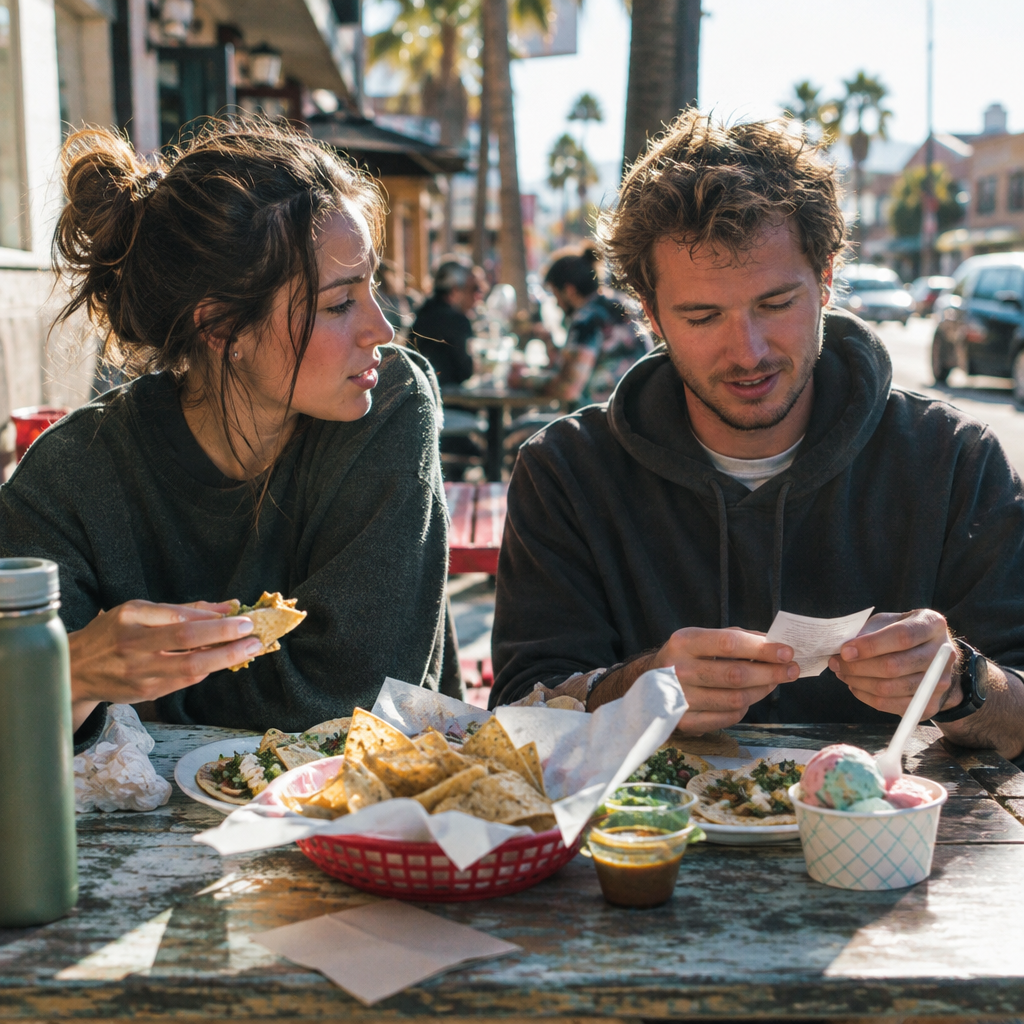
San Diego can make a traveler’s appetite expensive fast: a waterfront view, a cocktail, and a seafood dinner can turn into a bigger bill than you planned. But eating well here doesn’t require skipping the local food scene. The trick is to spend thoughtfully—save on everyday meals, then choose one treat that feels worth the splurge.
Downtown is a useful place to start. You’ll find quick counters, neighborhood taquerias, markets, and casual cafés alongside the pricier restaurants. A little flexibility with timing and location can make a noticeable difference, especially if you’re staying in a hostel and can keep breakfast simple.
Make tacos and neighborhood counters your starting point
San Diego’s Mexican food is not just a convenient budget option; it’s one of the city’s great pleasures. Look for taquerias where locals are stopping in for a quick meal, and check the menu before you sit down. A couple of tacos, a burrito to share, or a plate with rice and beans can be filling without the waterfront markup.
Fish tacos are an obvious choice, but don’t assume the first place you see near a major attraction is the best value. Walk a few blocks inland and compare menus. A simple counter-service spot with a short line and a focused menu often makes a better lunch stop than a restaurant built around the view.
For a low-cost meal with a strong local feel, try a neighborhood market or casual deli. Prepared foods, sandwiches, and snacks are handy when you’re heading to Balboa Park or the waterfront and don’t want to pay restaurant prices for every meal. Just remember that a picnic only stays affordable if you buy what you’ll actually eat.
Use downtown strategically
Downtown is convenient, but convenience can come at a premium near the busiest blocks. If a menu looks steep, take a short walk and see what changes. A few streets can separate a tourist-facing dining room from a more everyday lunch counter. Check the total before committing, too: service charges, drinks, and add-ons can make a modest-looking meal less modest.
Lunch is often the best time to try a restaurant you’re curious about. Some places offer smaller portions or lunch specials, and you’ll have more of the day ahead afterward. For dinner, consider eating a little earlier or choosing a casual spot rather than making every evening a full-service occasion.
Transit and walking can help with food costs in a less obvious way. If you’re already exploring on foot or using public transportation, you can look beyond the closest restaurant cluster and choose a place that fits your budget. A short ride for a meal you’re genuinely excited about may be a better use of money than settling for an overpriced option beside your hotel.
Build a simple meal plan, not a strict one
Travel budgets work better when they leave room for appetite and spontaneity. A practical rhythm might be a grocery-store breakfast, a satisfying lunch out, and a lighter dinner—or the reverse, if dinner is your main event. Keep water and a couple of portable snacks on hand so hunger doesn’t push you into the first expensive place you pass.
If your hostel has a kitchen or shared dining area, use it for easy meals rather than trying to recreate a restaurant menu. Yogurt and fruit, toast, or a simple sandwich can cover breakfast. You’ll save more by making one meal uncomplicated than by denying yourself every local specialty.
- Check menus before you walk in. Online menus make it easier to spot prices, lunch deals, and portion sizes.
- Share strategically. Split a large burrito or order a few dishes for the table, then add something only if you’re still hungry.
- Choose water by default. A drink with every meal adds up quickly; save the beverage budget for something you truly want.
- Ask about the daily special. At casual restaurants, it can be a better value than ordering several extras.
Save for one memorable treat
Being budget-conscious doesn’t mean every meal has to be the cheapest possible. Pick the food experience you’ll remember and plan around it. Maybe that’s fresh seafood, a scoop of ice cream after a beach walk, or a pastry and coffee from a bakery you’ve been hearing about. One deliberate treat feels more satisfying than a string of expensive meals chosen by default.
To make room for it, set aside a small amount before the trip or decide on a daily food budget that includes a treat fund. Then keep the surrounding meals simple. If you’re planning a special dinner, have a modest breakfast and a filling, affordable lunch. If the treat is dessert, order a straightforward main course and skip the extras that don’t excite you.
San Diego rewards curiosity more than a big dining budget. Follow the smell of grilled tortillas, step away from the most obvious tourist strip, and let one standout bite be the highlight of your day. That’s a better way to eat well for less—and a much tastier way to remember the city.