
A Guide to San Diego’s Filipino Food Scene
Where to find Filipino favorites in San Diego, what to order, and how to explore with curiosity and respect.
5/17/2026
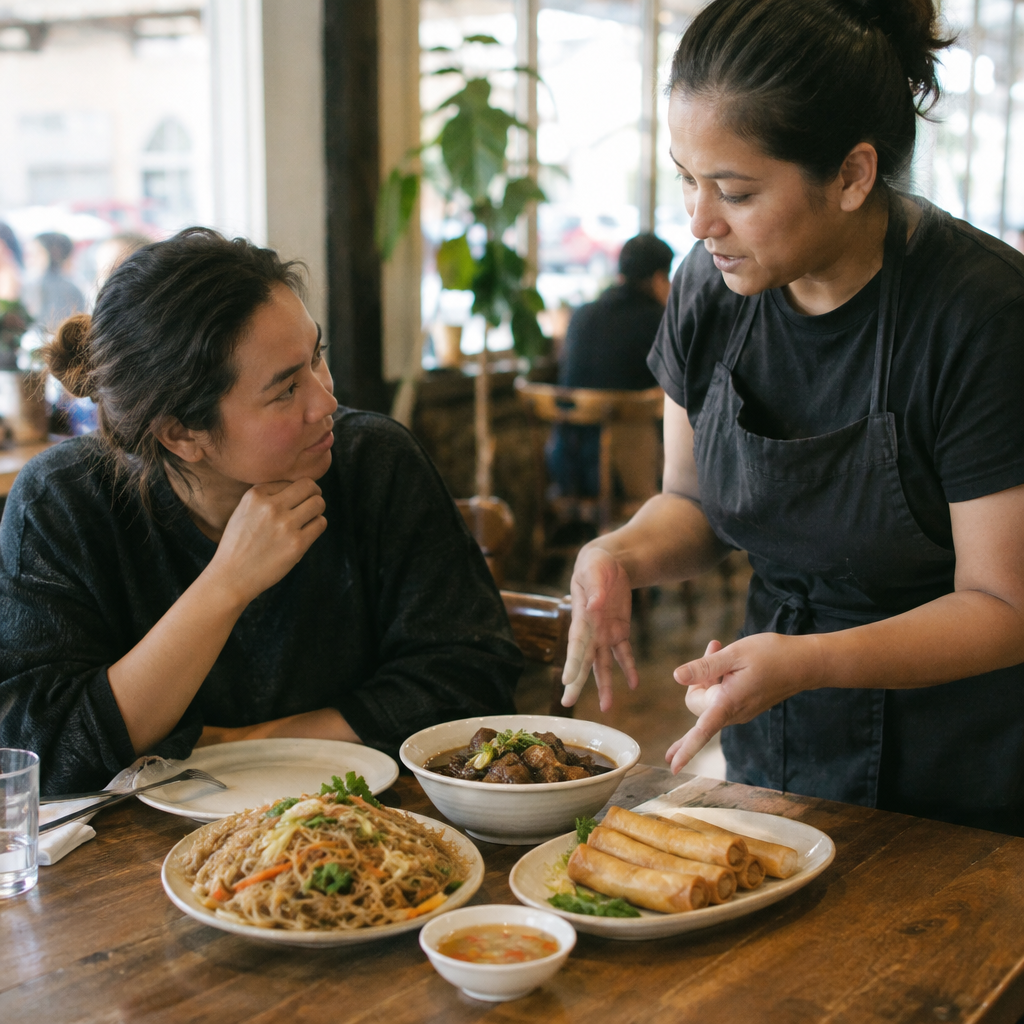
Filipino food rewards curiosity. One meal might bring crisp lumpia, garlicky rice, and a bright vinegar dipping sauce; the next could be a slow-cooked stew that tastes even better with extra rice. San Diego’s Filipino food scene stretches across neighborhoods, from casual bakeries and lunch counters to restaurants made for lingering. Bring an appetite, ask questions, and let the menu lead you somewhere new.
Start with the classics, but don’t treat them as a checklist. Filipino cooking reflects many regions, families, and histories, so the same dish can vary from one kitchen to another. That’s part of the pleasure.
What to order first
Lumpia is an easy opener: thin, crisp rolls often filled with pork and vegetables, served with a sweet or tangy sauce. For something heartier, try adobo, commonly made with chicken or pork simmered with vinegar, soy sauce, garlic, and peppercorns. The balance of savory and sour is the point; spoon the sauce over rice.
Look for pancit, a family of noodle dishes that may include vegetables, meat, or seafood, and sisig, a sizzling, savory dish often made with chopped pork. At breakfast or brunch, silog meals pair garlic fried rice and a fried egg with a main—tapsilog, for example, includes cured beef. If you spot halo-halo for dessert, order it to share: shaved ice, sweet beans and fruit, and creamy toppings make for a joyful, gloriously messy finish.
Follow the food around town
National City is a natural place to begin exploring Filipino-owned businesses and community food traditions. In other parts of San Diego County, Filipino restaurants, bakeries, and markets make it easy to turn a meal into a neighborhood outing. Search current listings before you go—menus and hours change—and consider choosing a locally owned spot rather than relying only on the most familiar chain.
Bakeries are especially good for a low-pressure first stop. Pick up pandesal, soft bread rolls often eaten at breakfast, or try a sweet treat such as ensaymada. At a market, browse for Filipino pantry staples and ask staff for a recommendation if you’re unsure what to cook or taste next. A friendly question is usually more useful than trying to guess your way through every label.
Be a thoughtful guest
Filipino food is not one single tradition, and no restaurant has to represent every Filipino experience. Read the menu, listen to the people serving you, and ask about a dish with genuine interest. If you’re dining with friends, ordering several plates to share can make it easier to sample different flavors without turning the meal into a tasting exam.
For travelers staying in an affordable hostel in San Diego, a shared meal is also a good way to compare notes with fellow guests—though the best recommendation may come from the people who live nearby. Go hungry, support the businesses that welcome you, and leave room for one more bite of lumpia.